
Fires and Fire Followers: putting the fire out on the Wildfire Data Working Group
Almost 5 years ago, we started convening the Wildfire Data Working Group to talk about and share data that informed land management decisions before, during, and after wildfires. We honor the work and time that went into the working group, and it’s time to put out the fire. The working group is shutting down.
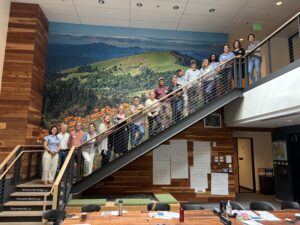
Motivated by the catastrophic wildfires that burned around 750,000 acres in all but one Bay Area county in August 2020, we started bringing together “data compilers” from TOGETHER Bay Area members and partners, as well as consultants and researchers in early 2021. We facilitated conversations ranging from data collection pre-fire, the climate crisis, ecologic impacts of fire, shaded fuel breaks, and post-fire vegetation management. We got practical with workflows and tech tools. Around 80 people joined the mailing list, and groups of 15-25 attended our meetings. The group’s culture was collaborative, inquisitive, and generous. Templates and datasets and insights were happily shared; the Zoom chat was active. Fifteen of the working group meetings are available on YouTube, a valuable resource that lives on.
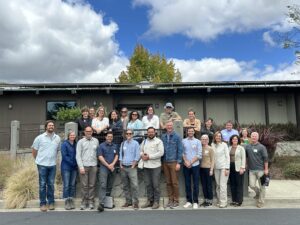
In addition to convening online, for the past few years, we’ve worked closely with Tatiana Manzanillo and her colleagues who are coordinating FLAME (the Fire-resilient Lands Alliance [for the Management of Everything]). Not only is it a great acronym, it’s the best kind of alliance because they partner with land management agencies/organizations to learn from practitioners out on the land. Their field trips are informative and collaborative and deliciously catered. TOGETHER will continue to support and promote FLAME’s events. To learn more and get involved, contact Tatiana at [email protected]
TOGETHER’s work to bring together people for strategic land conservation is alive and well. As we speak, we are working on the Conservation Lands Network 3.0 update. We are engaging a lot of experts, of a lot of kinds, to catalyze more land conservation to meet our coalition’s goal of 50×50, the state’s goal of 30×30, and create a more resilient and just Bay Area. We will look for ways to connect what was discussed at the Wildfire Data Working Group in the 3.0 update, and we invite you to seek and share those connections with us, too. The 3.0 update is being led by Molly Curley O’Brien, and her email is [email protected].
It’s possible that this working group, or an iteration of it, could start up again in the future. Working groups come and go at TOGETHER Bay Area (and with our predecessor, the Bay Area Open Space Council) with the times and needs of our members. The TOGETHER team is listening closely to what’s being discussed in lots of different spaces, where the challenges are, and where there’s energy. And we’re always open to ideas and suggestions. Send them our way at [email protected].
My thanks to everyone who participated in the Wildfire Data Working Group. A big thank you to Tom Robinson for leading the way, and Laura Rosenthal and Michaela Nee for their event management, communications, and outreach. And thanks to all of the people – at least 25 experts in all kinds of fire related topics – who shared their time and knowledge as guest speakers.
Fire followers often came up at Wildfire Data Working Group meetings. Who knows what’s growing beneath the soil, who knows what will pop up next. Let the collaboration and sharing continue.
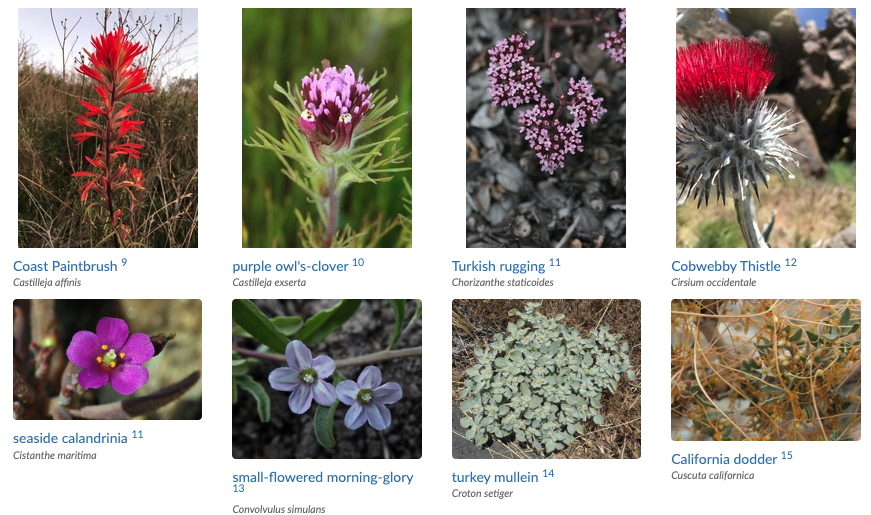
Just some of the many California fire followers shared on iNaturalist.